
Brick by Brick: Why Simplicity is the Key to Better Landscape Photography
A reflection on learning slowly, consuming wisely, and building a creative practice that lasts.
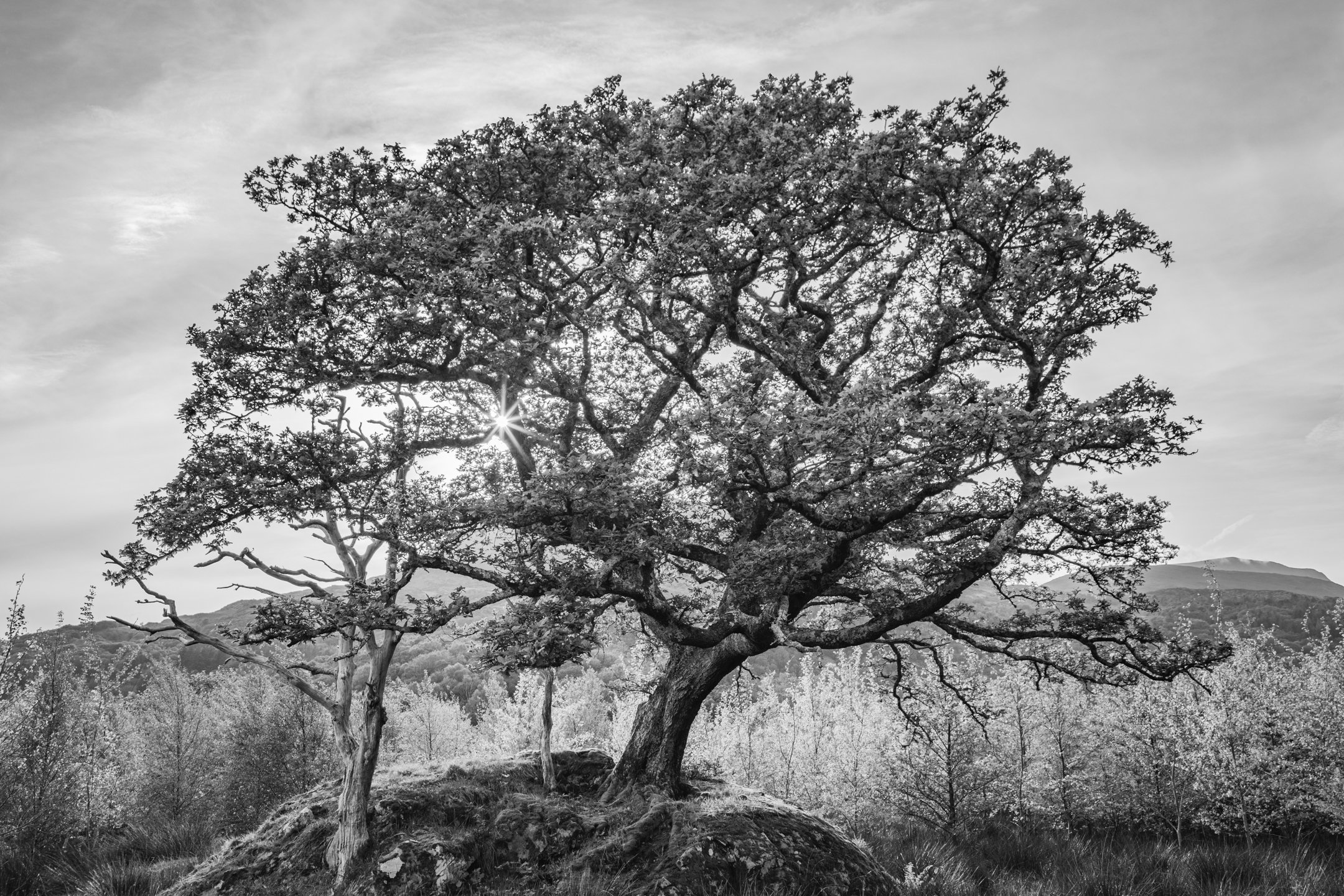
Part One: How We Complicated Something Beautiful
Landscape photography doesn’t have to be complicated. Like everything, we have made it that way to sell things: courses, books, and tutorial videos.
You might resonate with this: A budding photographer watches yet another tutorial video and feels a spark of clarity and inspiration. They watch another and another. Quickly, two or three hours have passed. They find themselves spending more time consuming content than standing in the landscape with their camera in hand. The fantasy of becoming a photographer grows stronger. The reality is they are growing further and further away from the dream.
The rules multiply, and the checklists grow longer. They head outdoors with a mind full of ideas, so full, in fact, that the noise of thought drowns out the peace and tranquillity of waves crashing against the shore, or birds singing to the trees. The excitement has been replaced with anxiety. They cannot see the landscape clearly before them; instead, they hear the voices of a dozen YouTube creators echoing in their ears. Stressed and overwhelmed, trying to decide on the right lens, work out the 'Fibonnaci sequence' or measure the 'hyperfocal distance', the camera doesn't even make it out of the bag. They return home with the self-sabotaging self-talk compounding: ''I am no good at this.'' ''I should have been able to make a photograph.'' ''If I watch another video, I'm sure I'll be able to do better next time.''
This is where overconsumption quickly leads to overthinking, and overthinking quickly leads to creative burnout. The beauty of the process is lost to the expectation of results. This is almost guaranteed to leave you feeling unfulfilled and is highly likely to put a premature end to what might otherwise have been a deeply rewarding, lifelong creative practice.
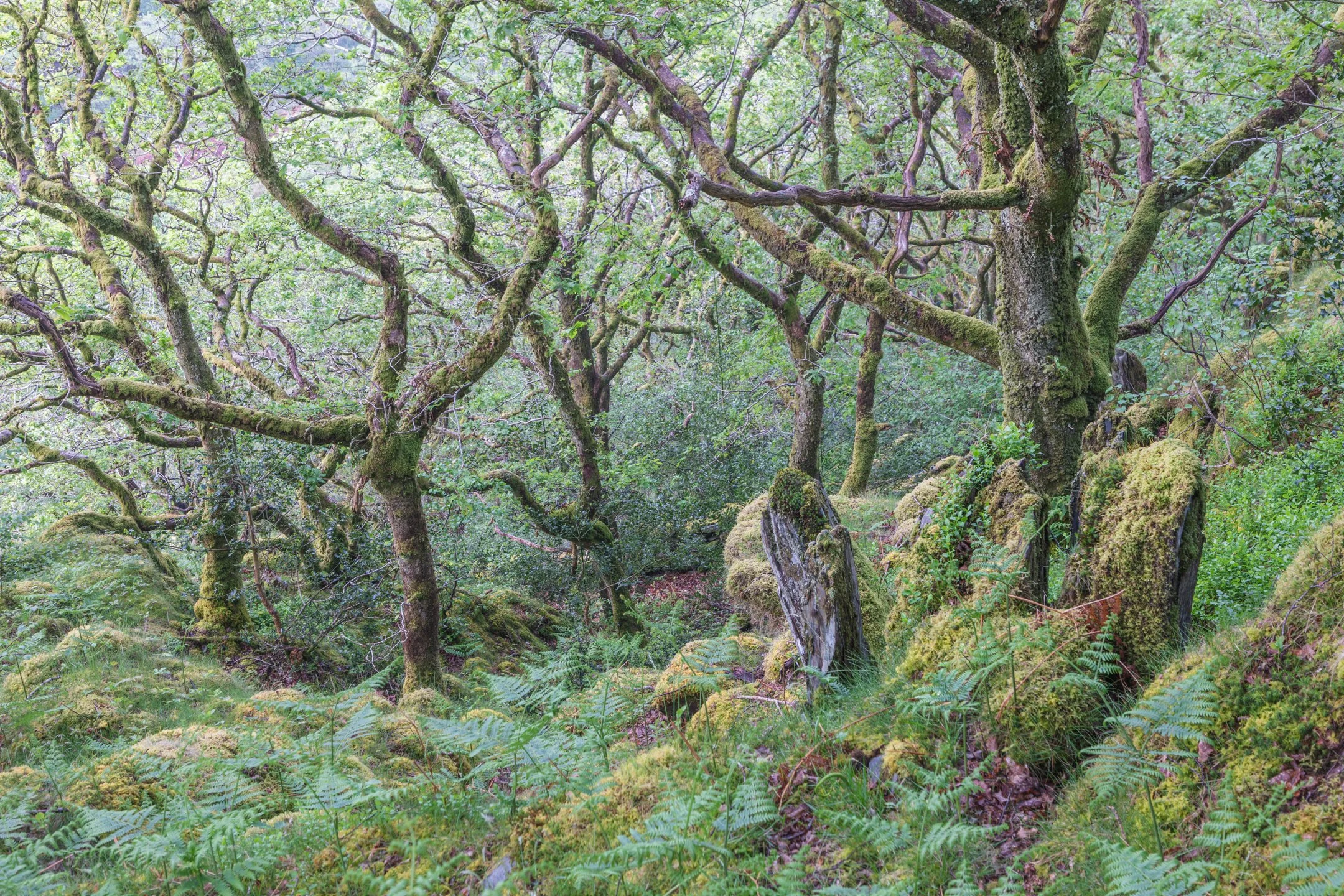
Part Two: A Different Way of Learning
Through my tutoring approach, I strip photography back to its basics, keeping it as simple as possible. I focus first on getting students up to speed with the fundamentals of the camera, before moving on to the part I find most rewarding and fun to teach: seeing photographs in the landscape.
When we stop applying a complex, rule-based, and formulaic approach to composition, it becomes much easier to find meaningful photographs. Texture, colour, character, light, mood, and feeling become our guiding forces. We learn to listen to our intuition, which leads us through the landscape to the places that speak directly to us, rather than over-applying mental energy to think our way towards the photographs we feel we should make.
I remember experiencing a clear shift in my landscape photography throughout 2021. I had put some savings aside and left my corporate job behind to pursue a career behind the camera. I spent the entire year almost completely immersed in the landscape, practicing photography. This is when I began to leave the rules behind and really started to understand the craft and the process of 'seeing' my own photographs.
One morning, I was exploring a quiet corner of Eryri (Snowdonia) when, out of nowhere, a blanket of mist blew in from the mouth of the valley and covered the lake. Suddenly, the silver birch trees at the shoreline, which I had already passed by a dozen times, became a photograph. This is one composition I am most proud of. It doesn't explicitly follow the rules I had previously been trying to abide by, but it does speak to me in a quiet and mystical language, reminding me that the best photographs are often those that appear briefly, whisper to us, and then fade just as quickly as they arrived.

Part Two: A Different Way of Learning
Through my tutoring approach, I strip photography back to its basics, keeping it as simple as possible. I focus first on getting students up to speed with the fundamentals of the camera, before moving on to the part I find most rewarding and fun to teach: seeing photographs in the landscape.
When we stop applying a complex, rule-based, and formulaic approach to composition, it becomes much easier to find meaningful photographs. Texture, colour, character, light, mood, and feeling become our guiding forces. We learn to listen to our intuition, which leads us through the landscape to the places that speak directly to us, rather than over-applying mental energy to think our way towards the photographs we feel we should make.
I remember experiencing a clear shift in my landscape photography throughout 2021. I had put some savings aside and left my corporate job behind to pursue a career behind the camera. I spent the entire year almost completely immersed in the landscape, practicing photography. This is when I began to leave the rules behind and really started to understand the craft and the process of 'seeing' my own photographs.
One morning, I was exploring a quiet corner of Eryri (Snowdonia) when, out of nowhere, a blanket of mist blew in from the mouth of the valley and covered the lake. Suddenly, the silver birch trees at the shoreline, which I had already passed by a dozen times, became a photograph. This is one composition I am most proud of. It doesn't explicitly follow the rules I had previously been trying to abide by, but it does speak to me in a quiet and mystical language, reminding me that the best photographs are often those that appear briefly, whisper to us, and then fade just as quickly as they arrived.
When I talk about intuition in photography, this is what I mean in practice. It's the act of listening to the landscape, and the inner voice that guides us towards subjects and compositions that might be more original to us, created more from our internal response to the outer landscape than from box-ticking exercises and rulebooks.
Part Three: How to Begin and, More Importantly, How to Keep Going
My advice to anyone beginning their journey as a photographer is to be mindful of how much time you are spending consuming confusing content.
Instead, if you’re starting out, commit to drip-feeding yourself thoughts and ideas from a few photographers you admire. I would suggest choosing two or three at most to begin with, and choose them carefully. Choose those who value the process of creating over the resulting photographs themselves. Look for those who write about why they photograph, what the landscape means to them, what they are searching for, and what the practice of photography has given them beyond the photographs themselves. These are the kinds of voices that are more likely to help you establish your own connection with the landscape and unearth your own creative voice, rather than trying to replace it altogether or rewrite it with technical, mechanical, computer-like language.
Go outdoors and put their little nuggets of wisdom into practice. Slowly expose yourself to the next layers of learning, going deeper and deeper into the craft. Rinse and repeat.
Your learning might be slow this way, but it will be integrated and, therefore, real and lasting. You will avoid burning out from overthinking and overconsuming knowledge, instead of gaining embodied wisdom from your own practical, lived experience. Compounded over the years, the results (and rewards) will be exponential.
Creative Exercise: Tear Apart the Rulebook
On your next photography outing, leave every compositional rule at home. Forget the rule of thirds and leading lines. Forget every mental checklist you've ever made. Walk until something in the landscape genuinely interests you: not something you think should stop you, but something that actually awakens your curiosity or raises an internal response. Photograph that. When you return home, sit with what you made and notice whether anything surprised you. Ask yourself: where did the image come from? What were you responding to? The answer will tell you something interesting and useful about your own instincts as a photographer; instincts that no tutorial can give you, and no amount of rulebooks can replace.
I know this process works because it is the same one I have been applying in my own life for the past 9 years. The photographs I am most proud of, the ones that make me most passionate when I speak in front of audiences about my journey thus far, weren't created from the accumulation of knowledge from rulebooks and guidebooks. They were created through time spent in the landscape, connecting and observing, repeated experiments and failures, patient returning, and a willingness to trust what called to me when my mind was quiet enough for me to listen.
Whatever stage you are at on your creative journey, the same pathway is open for you to walk. All that is required from you is patience, consistency, discipline, and a genuine desire to grow as both a person and a photographer.
Brick by brick, we build kingdoms.
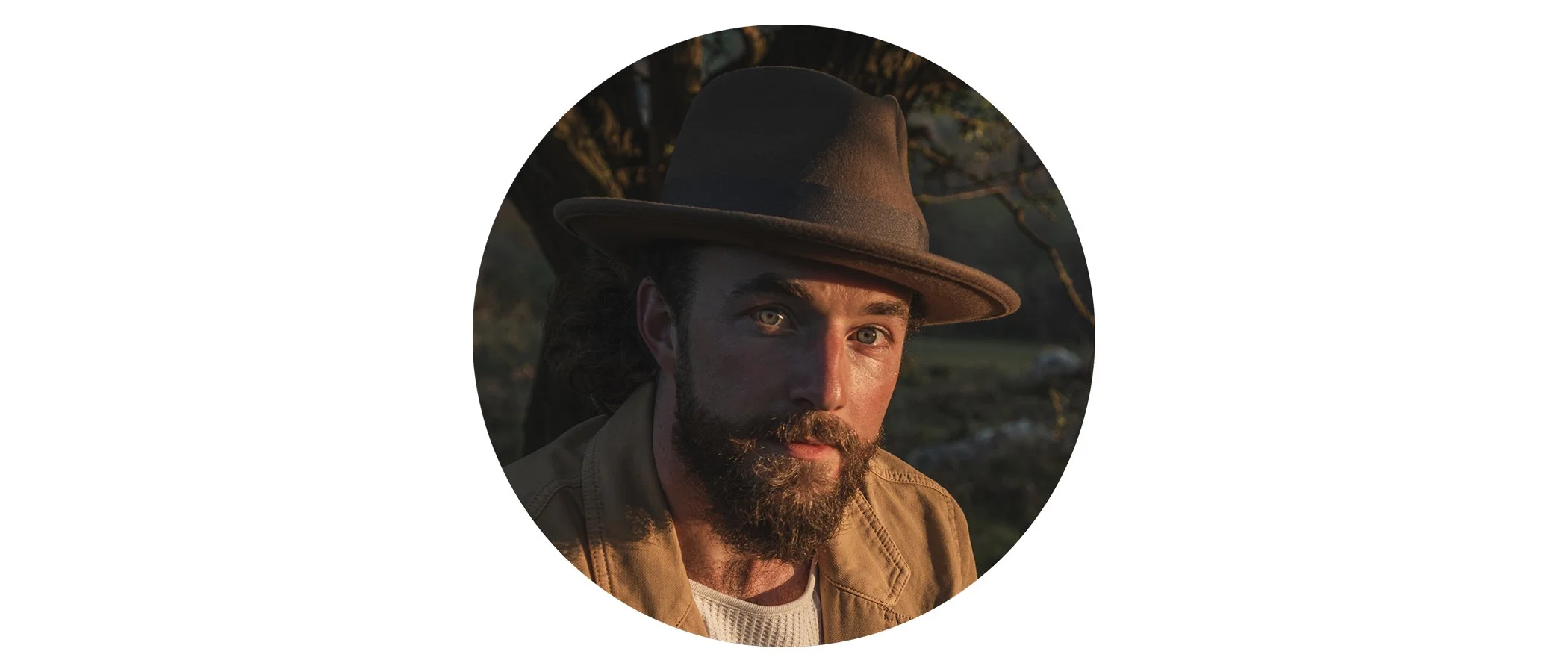
Brad Carr is an internationally published fine art landscape photographer, Nature writer, and creative mentor based in Mid Wales. His work has featured in On Landscape, Outdoor Photography, Nature Vision, and International Therapist, and exhibited in national galleries, reaching 20,000 people. He works with photographers of all abilities through private tuition, group workshops, long-term mentoring programmes and his flagship Photographing with Purpose mentoring circles at bradwcarr.com.
Where to go next?
I’m here to help you on your creative journey, whether you’re just picking up a camera for the first time, looking to get out of ‘manual’ mode, or you're preparing a portfolio for your first book project or major exhibition. See the links below and find your pathway to more meaningful landscape & nature photography:
The Finding Light Creative Academy - An online community is currently being developed exclusively for meaning-seeking photographers like you. It offers three pathways, guiding photographers to master the fundamentals and lay unbreakable foundations, unearth their vision and voice, and eventually turn their passion into purpose. I’m currently searching for its founding members. You can apply now.
1-1 Private Tuition & Mentoring - Master the fundamentals of photography or learn to see photographs through private, in-field tuition. For those who are serious and ready to pursue transformation through creative practice, I offer my flagship Photographer's Foundations Programme. Schedule your FREE introductory call during which I’ll answer any questions you have and help you find the right pathway for you.