
Above All, Understand This
In landscape photography, how you use light is everything.
I always tell clients they should spend 10x more time in the field watching light than they do shopping for new gear or watching the latest tutorials.
If you understand light, you could make better images with a £60 kit lens than you ever could with the latest £3,000 lens.
The further you go along the creative path, the more you realise it’s the subtlest, slightest shifts of light that make all the difference in a photograph.
Timing is everything.
Attention becomes key.
That’s why attention forms one of the pillars in my revolutionary Five Pillars of Meaningful Landscape Photography framework.
(If you haven’t already, you can get yours for FREE here).
Take these three photographs taken at a local stretch of the enchanted River Vyrnwy last night:
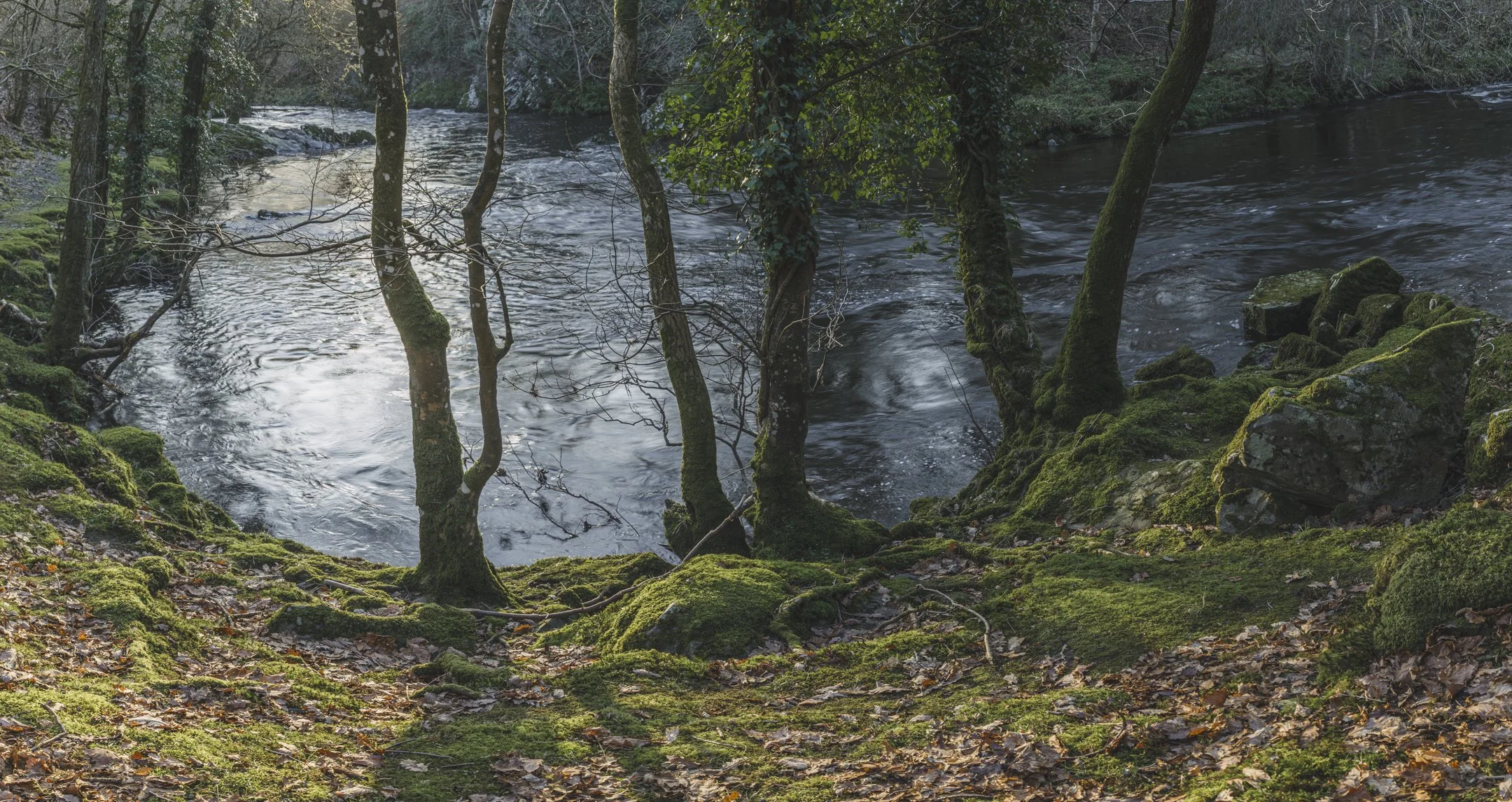
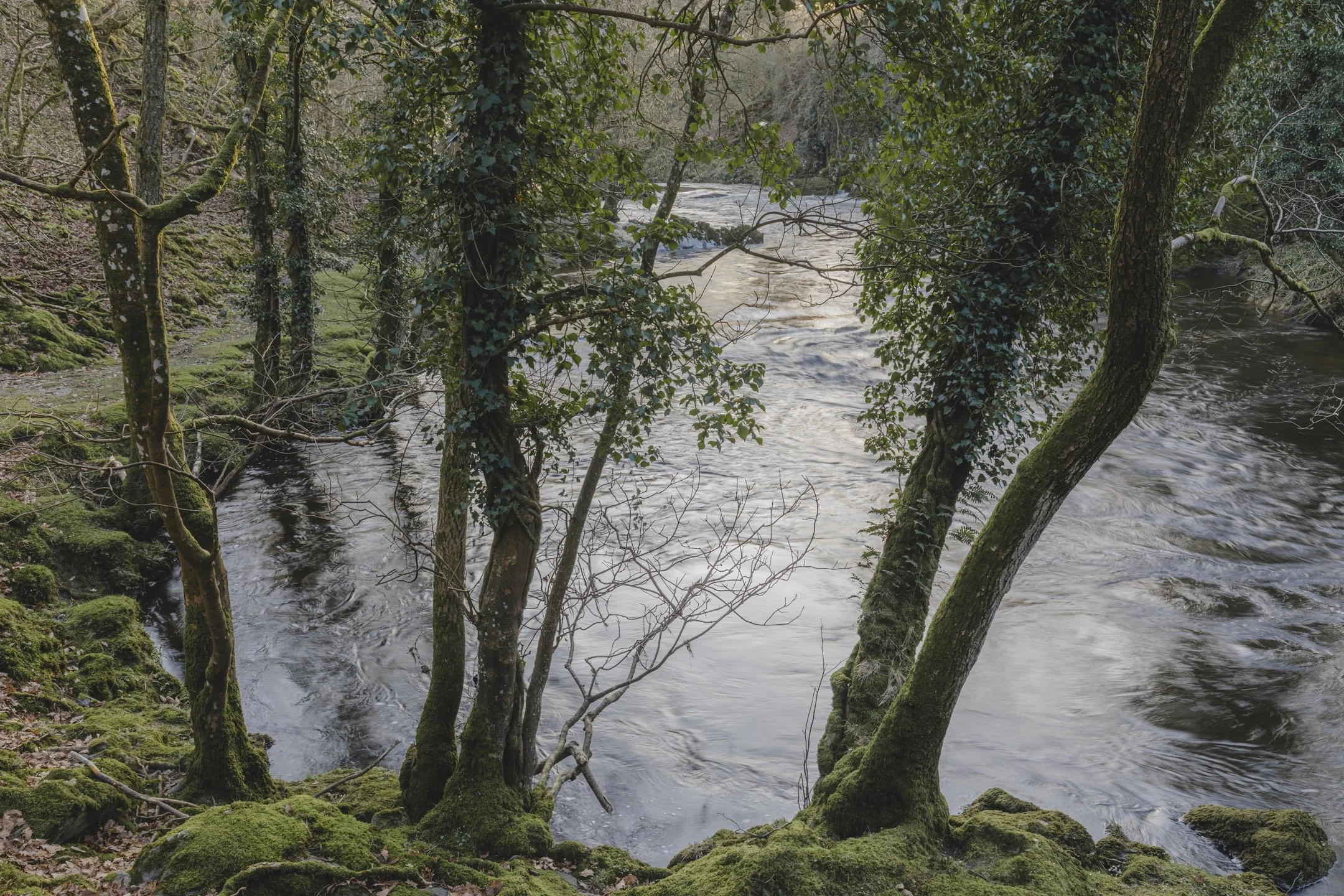
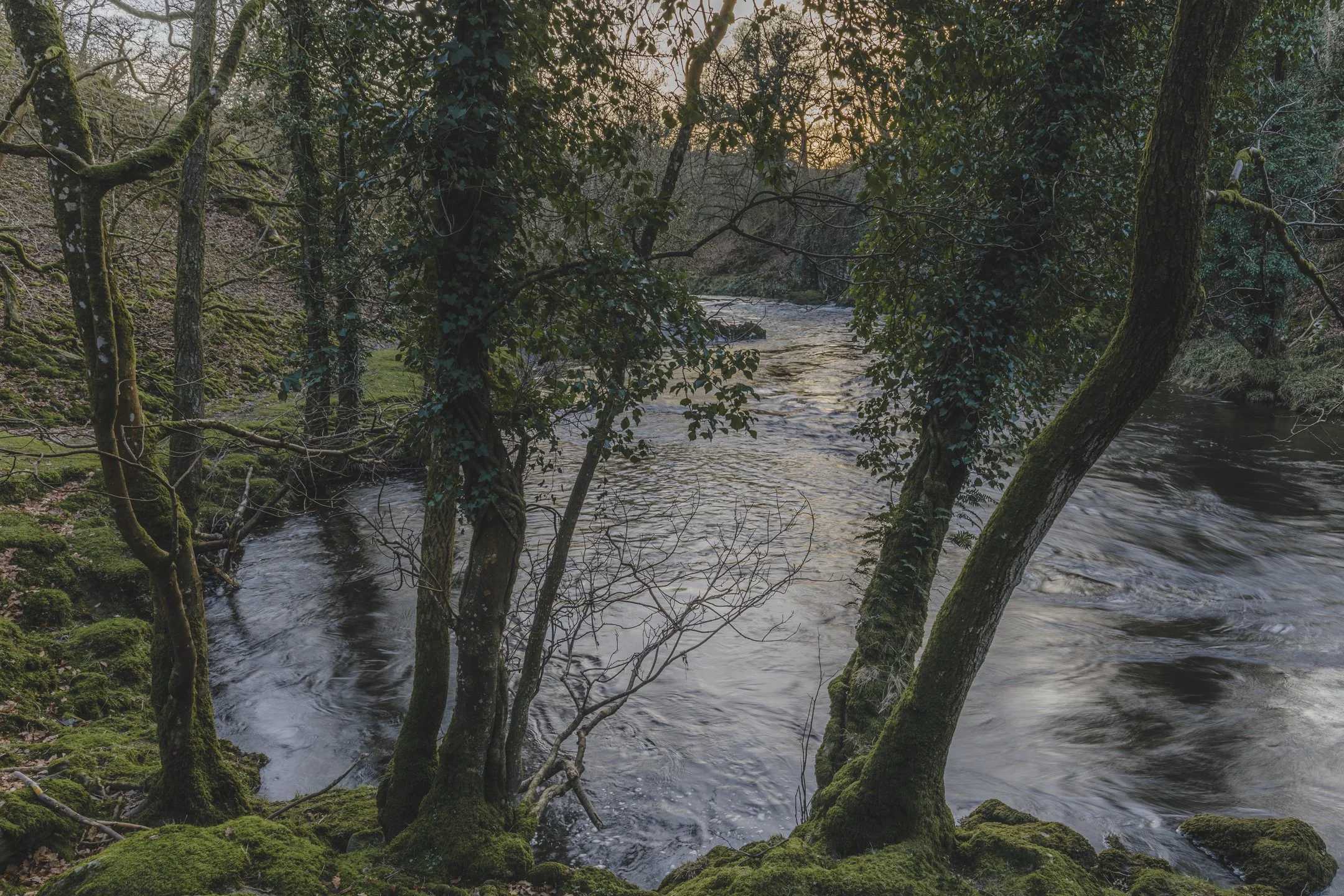
All of them are similar in composition, but different in light and resulting feel.
Not huge differences, but enough to alter the story ever so slightly.
When you’ve taken over 50,000 photographs, these micro-details really begin to matter.
It is in these details that a photograph becomes art;
when the viewer can start to feel the photographer’s intention (another of my Five Pillars);
and the longer they look, the clearer this intention becomes.
In my newly developed 12-month-long Photographers’ Foundations Programme, I have dedicated much of it to studying and understanding light.
Over the past 5 years, educating over 150 other photographers, I have learned that the real work of the photographer is done away from the camera:
learning to observe the landscape;
to read it;
to foresee what is about to happen in any given moment;
and to know exactly when to open the shutter to create that special photograph that will live long in the portfolio and represent who you are as an artist.
If I could tell a beginner one thing, it would be this:
Close your laptop.
Turn off your phone.
Heck, even put your camera down.
Stand still, silence your mind, and observe everything that the light does and watch how it interacts with the landscape.
Pay attention to how it moves, and, more importantly, how it moves you.
Learn to feel it.
Don’t think it.
When you have reached a point where you intuitively know where to stand and which way to face, then you are ready to create work that truly means something.
To better understand how to use light in landscape photography, check out the first of my three-part guide to light here.
— — — —
If you’d like to learn how to make photographs with meaning, you might enjoy the Finding Light newsletter.
I have loads of exciting things coming soon, including a brand-new community feature that will help you rapidly improve your photographs so you can wow your audience, awaken emotions in others, and connect with their souls.
There are already over 650 other people signed up. What are you waiting for?