
How to Create Photographs with Meaning
Taking photographs isn’t hard.
You can learn the basic settings of the camera (easier still, pick up a phone), visit a beautiful place, wait for the sunset, and point it in any way you wish.
It’s so easy nowadays that an estimated 5,300,000,000 (that is 5.3 billion!!!) photographs are taken every day!
What is difficult is crafting a photograph that says something meaningful about you as a person and helps others understand you, or stirs emotions in another person, brings them into presence, and awakens their imagination.
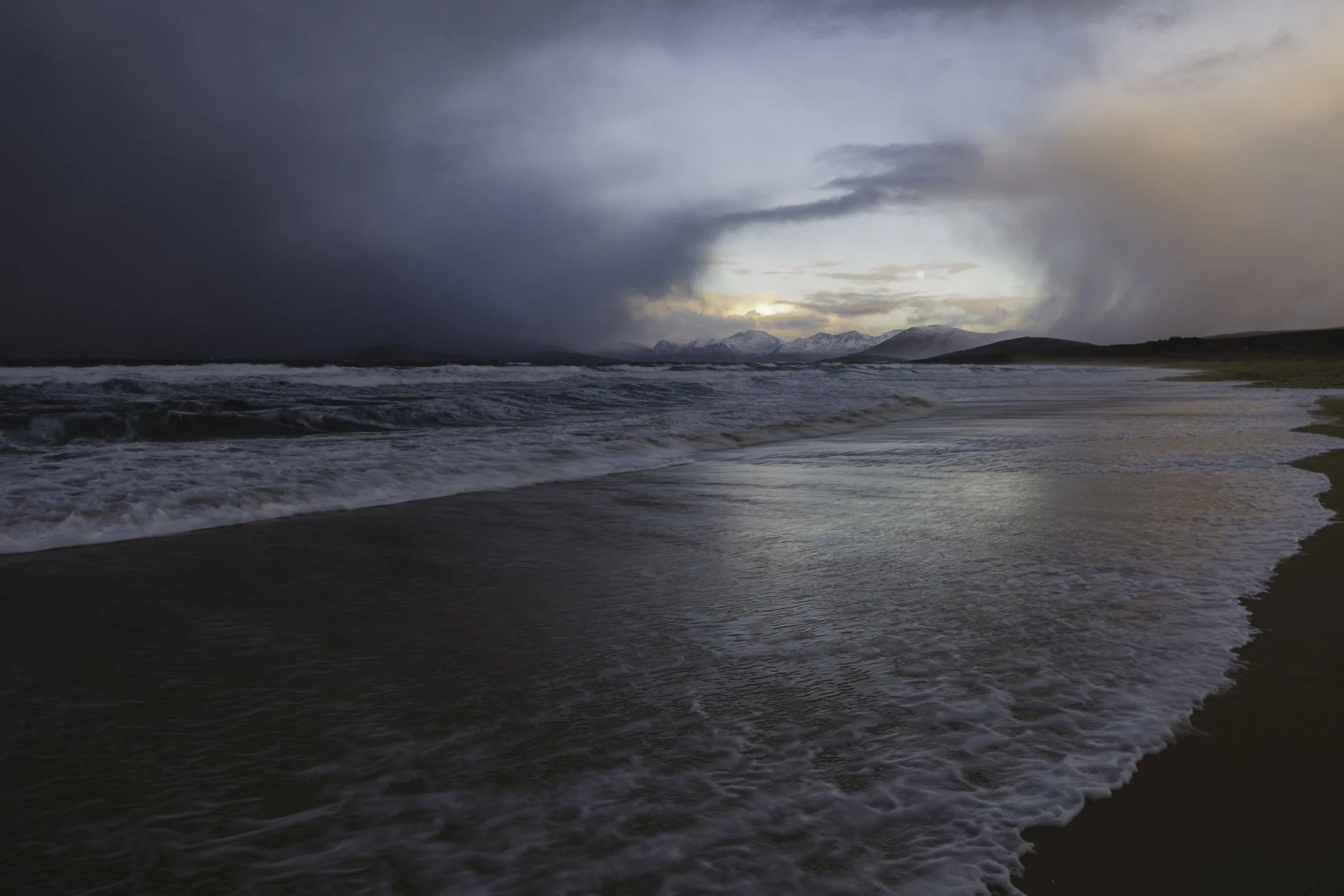
When photographers approach me for private mentoring or practical tuition, the first thing they usually tell me is that they are drawn to my work because they feel something deep down inside when they look at my photographs.
They tell me there’s something ‘more’ in them; a mystical element they can’t quite explain.
Technique only forms the foundation of what I would call a ‘good’ photograph. To me, that is a photograph with depth, meaning, and emotion within. It is a photograph with a story; an invitation to journey a little bit deeper; a portal to a world of imagination and wonder.
Many others would disagree, I am sure, looking instead to the quality of the exposure (no dark/ ‘blown out’ parts), adherence to the ‘rules’, and accurate focus/ depth.
These are all important to me, of course, but not so important that I would ever overlook what it is a person is trying to communicate through the lens of their camera—something I am told on countless occasions that photography competition judges frequently do.
This kind of judgment from those supposedly ‘superior’ photographers, who have usually placed themselves on a pedestal and sought out these positions of power for their own gain, often leaves people feeling disillusioned with their photography, reinforcing their own self-limiting beliefs, and severely inhibiting creativity.
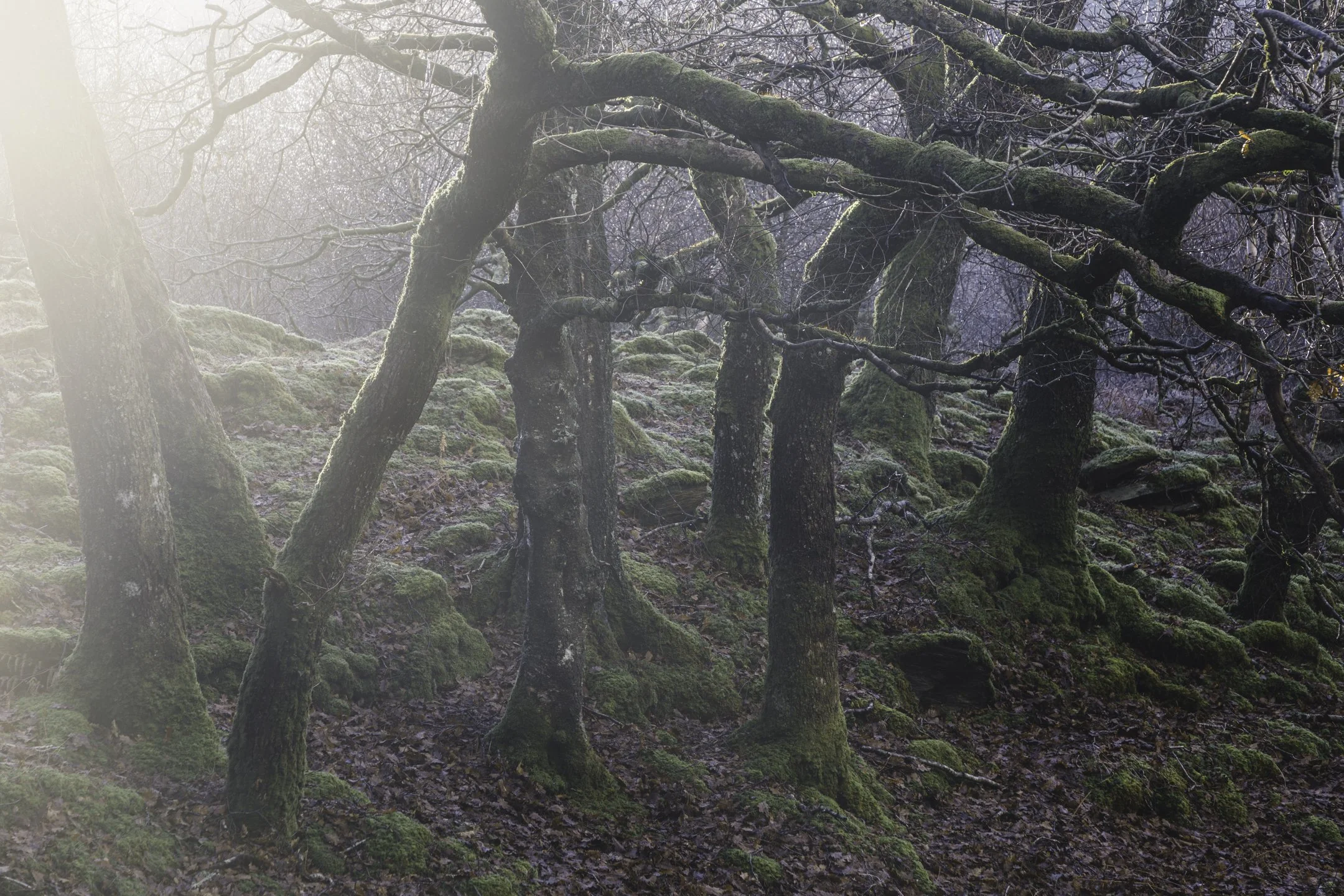
My work as a mentor and tutor has led me to have some interesting and enlightening conversations with many fellow photographers about what it means to create photographs.
I have found myself in a rather privileged position, where people feel safe enough to open up to me and engage in creative discussions about the ‘whys’ driving their art as they seek self-understanding and strive to articulate the deeper meanings behind their photographs, so they can, in turn, feel more understood by the people in the world around them and forge more meaningful relationships as a result.
These conversations inform my own work, helping me deepen my practice and better understand the driving forces behind my art, which, in turn, helps me understand others. It is a powerful, never-ending cycle of growth that has led me to develop a deep understanding of the creative mind.
If I were to quickly summarise what I have learned about the collective of photographers so far, I would say that most:
1) Struggle to ‘think’ artistically, excelling technically, but find it challenging to engage the emotional self whilst creating. This is no surprise in the world of photography, given that it usually requires a certain level of technical understanding of the equipment to progress (for those who choose a camera as their tool for creating, that is).
But could this point us to a deeper issue altogether? The issue being that, maybe at the risk of speaking a little generally now, we don’t feel safe enough to inhabit our bodies as human beings (especially in Western culture), instead choosing to exist in our heads more often than fully embracing the present moment.
Something I have been pondering recently seems relevant to share: What if Descartes’ ‘I think, therefore, I am’ statement became ‘I feel, therefore, I am’?
2) Lack the confidence and self-belief required to embrace their ‘inner artist’, believing that the title is reserved for the special, enlightened few who are sent to walk the earth by God.
Instead of embracing their uniqueness and seeing the world as only they can, they play it safe and stick to the obvious formulaic compositions, perhaps replicating what they have seen in magazines or on social media.
3) Have not tied their work to a grander purpose than their own enjoyment and fulfilment. This, for me, is key to artistic growth and the development of a deep and powerful creative voice.
The voice often determines how we, and our work, are perceived—so, if we want to make ‘more artistic’ work, filled with depth, emotion, and meaning, do we have to start believing that our work is art and speaking in a way that says it is before the meaning and purpose can be reflected in what we create through our lenses?
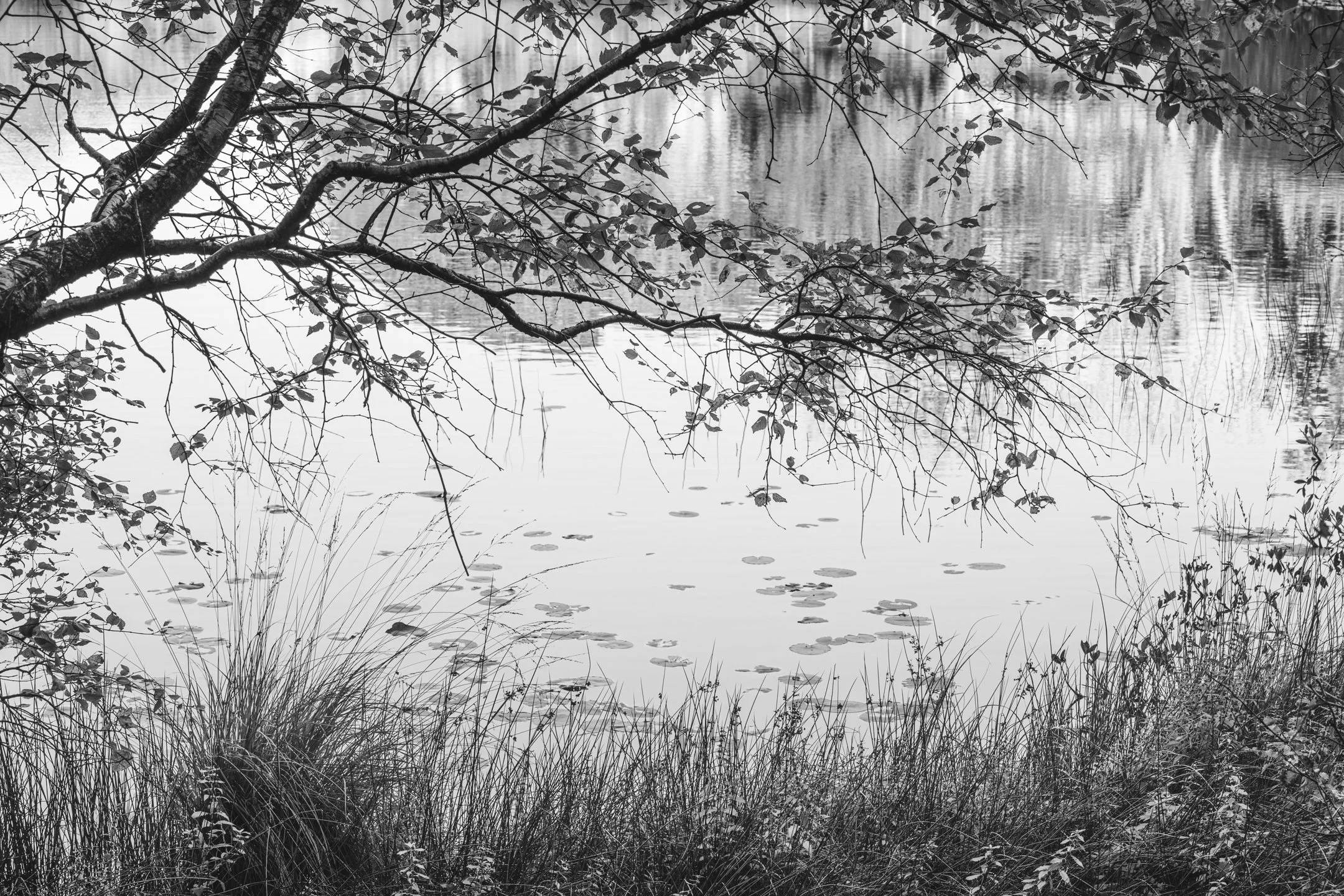
Therefore, if you’re a photographer—or a creative person in general—and you are seeking to create more meaningful work that connects with the soul of another person, my advice would be to:
1) Learn to inhabit more of your body, so you can exist in the present moment, engaged in your senses and accessing more of your emotional world, rather than living in your mind and ‘thinking’ your reality (and photographs).
Practice body awareness, paying attention to sensations, sights, and sounds—things that YOU find beauty in, tune into your breath as you walk across the landscape, and write more in a notepad or journal to empty your mind of thoughts and silence the mental ‘chatter’.
Get yourself to a place where your intuition (feelings & inner sense) leads you to a photograph, rather than any formula, blueprint, or rulebook.
2) Work hard to improve your self-talk and build more confidence, so you can begin telling yourself all the things you are capable of (and believing them, too) rather than limiting yourself and your creative growth with negative thoughts and beliefs by telling yourself all the things you aren’t.
Pay attention to anyone whom you feel angry, jealous, or resentful towards. These people are often reflecting something about your own inner narrative and beliefs.
You dislike ALL rich people? You’re likely nursing some wounds around unworthiness. You hate the person who is comfortable in the limelight and speaks so positively about themselves? There is probably a part of you who wishes you were in their shoes. What beliefs are stopping you from becoming that version of you?
3) Begin the work to discover your deeper purpose, so your work reflects that in its own depth and meaning. Our photographs are a reflection of our inner selves after all. If your work feels shallow, it is likely because your purpose is, too.
A purpose isn’t something that miraculously appears when you go to Bali to ‘find yourself’. It takes hard work, dedication, and a lot of self-inquiry to unearth a purpose—and it is never truly and completely ‘found’ as it is constantly evolving, as we are.
I recommend getting yourself a journal and asking yourself some hard questions to start your journey of self-inquiry, such as: What significant life events have led me to this point of wanting to create for the world? Who do I wish I could reach with my creative work? What do I want to say to them?

Taking photographs isn’t hard.
But the work required to make soul-stirring, imagination-awakening, emotion-inducing photographs is.
To make photographs with deeper meaning, we must be willing to look within, think critically about ourselves and our work, channel our courage to face our fears, and embark upon a long journey of self-inquiry, adventure, and discovery.
This may seem challenging to you now, but I will remind you that nothing worthwhile has ever come easy.
I can assure you: the fruits of this labour are so sweet when you wake up (almost) every day with a profound sense of purpose that pulls you out of your bed and inspires you to get out into the landscape during the first hours of morning.
Photographs heavy with meaning and rich in stories can help people better understand us, allowing us to form deeper relationships and connections with others. They can help us feel seen in ways we have always desired.
If you’re someone longing to feel understood and yearning to be seen in your authentic expressions, I would encourage you to begin this work to uncover deeper meaning in your photography today.
If you resonate with anything in this article and you wish to deepen your creative practice, I’d like to invite you to explore my School of Photography.
Through one-to-one mentoring, or in-field, practical tuition, you can see for yourself what becomes possible when you move beyond logic and technique towards true, authentic, artistic expression.
Book a discovery call to discuss how this philosophy might transform your relationship with landscape photography, the natural world, and, in turn, yourself.